


Inverter – GOODWE – GW10K-ET-20_AFCI – hybrid – HV
Product details
ET G2
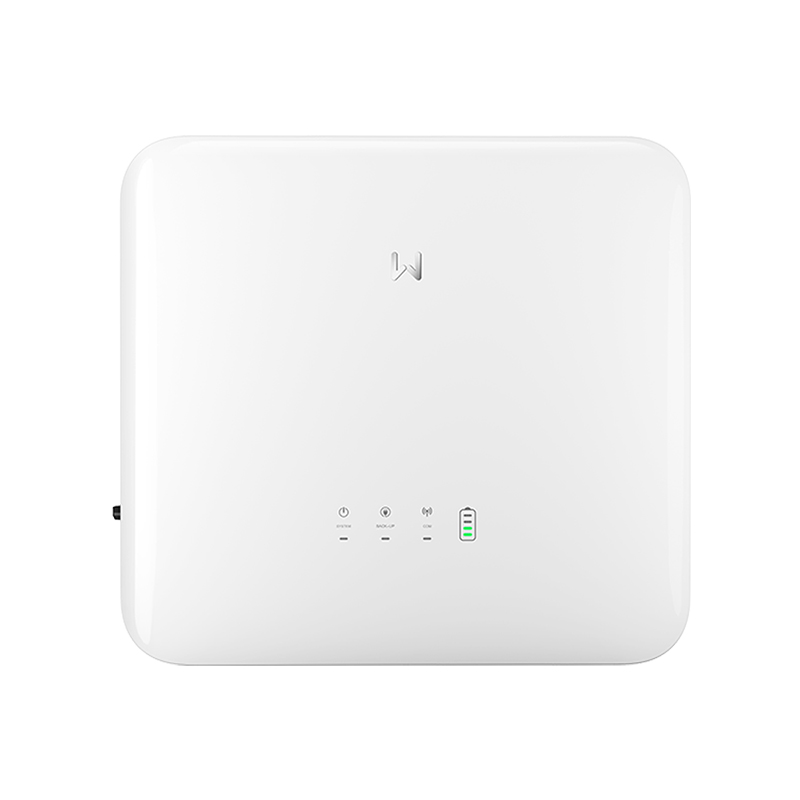
ET G2 is a series of GoodWe three-phase hybrid inverters with rated power of 6–15 kW, designed for homeowners. The devices help increase energy self-consumption and provide uninterruptible UPS backup power. Intelligent operating modes and load control allow system operation to be optimized to reduce energy costs.
Key benefits of ET G2
- Rated power 6–15 kW and 2–3 MPPT — depending on the model, with an MPPT operating voltage range of 120–850 V.
- UPS backup power supply — the rated apparent power of the backup circuit is 6–15 kVA, depending on the model.
- Compatibility with lithium-ion batteries — the battery voltage range is 150–720 V, and the maximum continuous charging and discharging current is 30–40 A, depending on the model.
- Smart energy management — built-in smart meter and the option to connect a GoodWe high-voltage energy storage system, a GoodWe EV charger and devices supporting SG Ready technology.
- Maximum efficiency 98.0–98.2% depending on the model and MPPT efficiency of 99.5%.
- IP66 protection rating — natural convection cooling and integrated type II surge protection devices in the DC and AC circuits.
Who is this a good choice for?
ET G2 is an option for homeowners who want to increase their use of self-generated solar energy and benefit from backup power. The series also meets the needs of households planning to integrate their system with a GoodWe high-voltage energy storage system, a GoodWe EV charger, or SG Ready devices, using intelligent load control.
| Parameter | GW6000-ET-20 | GW8000-ET-20 | GW10K-ET-20 | GW12K-ET-20 | GW15K-ET-20 |
|---|---|---|---|---|---|
| Battery specifications | |||||
| Battery type | Li-Ion | ||||
| Nominal battery voltage (V) | 500 | ||||
| Battery voltage range (V) | 150 ~ 720 | ||||
| Start-up voltage (V) | 150 | ||||
| Number of battery inputs | 1 | ||||
| Maximum continuous charging current (A) | 30 | 40 | |||
| Maximum continuous discharge current (A) | 30 | 40 | |||
| Maximum charging power (W) | 9000 | 8800 | 11000 | 13200 | 16500 |
| Maximum discharge power (W) | 6600 | 8800 | 11000 | 13200 | 16500 |
| DC input data | |||||
| Maximum input power (W) | 9600 | 12800 | 16000 | 19200 | 24000 |
| Maximum input voltage (V) | 1000 | ||||
| MPPT operating voltage range (V) | 120 ~ 850 | ||||
| Start-up voltage (V) | 150 | ||||
| Rated input voltage (V) | 620 | ||||
| Maximum input current per MPPT (A) | 16 | ||||
| Maximum short-circuit current per MPPT (A) | 24 | ||||
| Number of MPPTs | 2 | 3 | |||
| Number of module strings per MPPT | 1 | ||||
| AC output data (grid-connected operation) | |||||
| Rated output power (W) | 6000 | 8000 | 10000 | 12000 | 15000 |
| Rated apparent power fed into the grid (VA) | 6000 | 8000 | 10000 | 12000 | 15000 |
| Maximum apparent power fed into the grid (VA) | 6000 | 8000 | 10000 | 12000 | 15000 |
| Maximum apparent power drawn from the grid (VA) | 12000 | 16000 | 20000 | ||
| Rated output voltage (V) | 400 / 380 | ||||
| Phase output voltage range (V) | 170 ~ 290 | ||||
| Rated AC grid frequency (Hz) | 50 / 60 | ||||
| AC grid frequency range (Hz) | 45 ~ 65 | ||||
| Maximum AC current from the power grid — footnote 5 (A) | 8,7 | 11,6 | 14,5 | 17,4 | 21,7 |
| Maximum AC current from the power grid (A) | 15,7 | 21,0 | 26,1 | ||
| Power factor adjustment range | from 0.8 leading to 0.8 lagging | ||||
| Total harmonic distortion THD (%) | <3% | ||||
| AC output data (backup circuit) | |||||
| Rated apparent power (VA) | 6000 | 8000 | 10000 | 12000 | 15000 |
| Maximum apparent output power during grid-connected operation (VA) | 6000 | 8000 | 10000 | 12000 | 15000 |
| Maximum off-grid apparent output power (VA) | 12000 @60sec. | 16000 @60sec. | 18000 @60sec. | ||
| Maximum output current (A) | 13.0 (17.4 @60sec.) | 17.4 (23.3 @60sec.) | 21.7 (26.1 @60 sec.) | ||
| Rated output voltage (V) | 400 / 380 | ||||
| Rated output frequency (Hz) | 50 / 60 | ||||
| Output THDv distortion under linear load (%) | <3 | ||||
| Efficiency | |||||
| Maximum efficiency (%) | 98,0 | 98,2 | |||
| European efficiency (%) | 97,2% | 97,5% | |||
| Maximum battery efficiency under load (%) | 97,2 | 97,5 | |||
| MPPT efficiency (%) | 99,5% | ||||
| Protection | |||||
| PV insulation resistance detection | Integrated | ||||
| PV AFCI 3.0 | Optional | ||||
| Residual current monitoring | Integrated | ||||
| Reverse polarity protection in the DC circuit | Integrated | ||||
| Reverse polarity protection in the energy storage power supply circuit | Integrated | ||||
| Anti-islanding protection | Integrated | ||||
| AC circuit overcurrent protection | Integrated | ||||
| AC circuit short-circuit protection | Integrated | ||||
| AC circuit surge protection | Integrated | ||||
| DC switch-disconnector | Integrated | ||||
| Surge arrester in the DC circuit | Type II | ||||
| Surge arrester in the AC circuit | Type II | ||||
| Remote shutdown | Integrated | ||||
| Operating conditions | |||||
| Operating temperature range (°C) | -35 ~ +60 | ||||
| Relative humidity (%) | 0 ~ 100% | ||||
| Maximum operating altitude above sea level (m) | 4000 | ||||
| Cooling method | Natural convection | ||||
| Noise emission (dB) | <30 | <45 | |||
| IP protection rating | IP66 | ||||
| Communication and operation | |||||
| Display | LED, WLAN + APP | ||||
| Communication with BMS | RS485, CAN | ||||
| Communication with the meter | RS485 | ||||
| Communication with the portal | WiFi + LAN + Bluetooth | ||||
| Dimensions and weight | |||||
| Weight (kg) | 23 | 25 | |||
| Dimensions (W × H × D) (mm) | 496 x 460 x 221 | ||||
| General information | |||||
| Topology | Uninsulated | ||||
| Nighttime power consumption (W) | <15 | ||||
| Mounting method | Wall mounting | ||||
The maximum input power is intermittent, up to 1.6 times the normal power. For a 1000 V system, the maximum operating voltage is 950 V. The maximum apparent power fed into the grid depends on local regulations. Both AC current rows retain the source terminology; footnote 5 specifies the maximum output current to the grid load as 13 A, 17.4 A, 21.7 A, 21.7 A and 21.7 A, respectively. Backup power of 12000 VA for 60 s requires sufficient PV and battery power. Nighttime consumption applies when there is no emergency output.
Official distribution