


Inverter – GOODWE – GW15K-ET-20_AFCI – hybrid – HV
Product details
ET G2
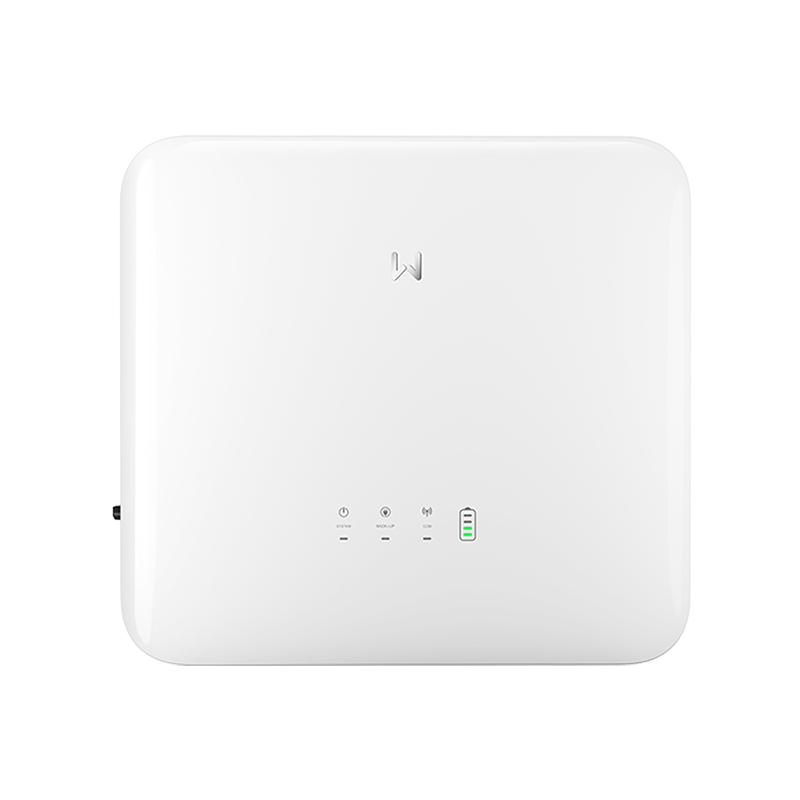
ET G2 by GoodWe is a series of three-phase hybrid inverters designed for homeowners who want to increase energy self-consumption and use backup power. The devices work with high-voltage lithium-ion batteries, and their rated output power ranges from 6–15 kW depending on the model. Intelligent operating modes and load control enable system optimization to reduce energy costs.
Key benefits of ET G2
- UPS backup power: the rated apparent power of the backup circuit is 6000–15000 VA, depending on the model.
- Energy storage support: the battery voltage range is 150–720 V, and the maximum continuous charging and discharging current is 30–40 A, depending on the model.
- 2–3 MPPT systems: the MPPT operating voltage range is 120–850 V, and MPPT efficiency reaches 99.5%.
- Maximum efficiency 98.0–98.2%: value depends on the inverter model.
- Intelligent energy management: built-in smart meter and the option to connect a GoodWe car charger and devices supporting SG Ready technology.
- IP66 protection rating: design with natural convection cooling and type II surge arresters in the AC and DC circuits.
Who is this a good choice for?
ET G2 is designed for homeowners who want to increase self-consumption of solar energy and ensure backup power. It is also an option for households planning to pair the inverter with a GoodWe high-voltage energy storage system, a GoodWe EV charger or SG Ready devices to manage energy consumption using smart operating modes.
| Parameter | GW6000-ET-20 | GW8000-ET-20 | GW10K-ET-20 | GW12K-ET-20 | GW15K-ET-20 |
|---|---|---|---|---|---|
| Battery input parameters | |||||
| Battery type | Li-Ion | ||||
| Nominal battery voltage (V) | 500 | ||||
| Battery voltage range (V) | 150 ~ 720 | ||||
| Start-up voltage (V) | 150 | ||||
| Number of battery inputs | 1 | ||||
| Maximum continuous charging current (A) | 30 | 40 | |||
| Maximum continuous discharge current (A) | 30 | 40 | |||
| Maximum charging power (W) | 9000 | 8800 | 11000 | 13200 | 16500 |
| Maximum discharge power (W) | 6600 | 8800 | 11000 | 13200 | 16500 |
| DC input data | |||||
| Maximum input power (W) | 9600 | 12800 | 16000 | 19200 | 24000 |
| Maximum input voltage (V) | 1000 | ||||
| Maximum system operating voltage 1000 V (V) | 950 | ||||
| MPPT operating voltage range (V) | 120 ~ 850 | ||||
| Start-up voltage (V) | 150 | ||||
| Rated input voltage (V) | 620 | ||||
| Maximum input current per MPPT (A) | 16 | ||||
| Maximum short-circuit current per MPPT (A) | 24 | ||||
| Number of MPPTs | 2 | 3 | |||
| Number of PV strings per MPPT | 1 | ||||
| AC output data (grid-connected operation) | |||||
| Rated output power (W) | 6000 | 8000 | 10000 | 12000 | 15000 |
| Rated apparent power supplied to the power grid (VA) | 6000 | 8000 | 10000 | 12000 | 15000 |
| Maximum apparent power output to the electricity grid (VA) | 6000 | 8000 | 10000 | 12000 | 15000 |
| Maximum apparent power from the power grid (VA) | 12000 | 16000 | 20000 | ||
| Rated output voltage (V) | 400 / 380 | ||||
| Phase output voltage range (V) | 170 ~ 290 | ||||
| Rated AC grid frequency (Hz) | 50 / 60 | ||||
| AC grid frequency range (Hz) | 45 ~ 65 | ||||
| Maximum AC current from the power grid — footnote 5 (A) | 8,7 | 11,6 | 14,5 | 17,4 | 21,7 |
| Maximum AC current from the power grid (A) | 15,7 | 21,0 | 26,1 | ||
| Maximum AC output current to grid-connected load (A) | 13 | 17,4 | 21,7 | ||
| Power factor adjustment range | from 0.8 leading to 0.8 lagging | ||||
| Total harmonic distortion THD (%) | <3% | ||||
| AC output data (backup circuit) | |||||
| Rated backup apparent power (VA) | 6000 | 8000 | 10000 | 12000 | 15000 |
| Maximum grid-connected apparent output power (VA) | 6000 | 8000 | 10000 | 12000 | 15000 |
| Maximum off-grid apparent output power (VA) | 12000 for 60 s | 16000 for 60 s | 18000 for 60 s | ||
| Maximum output current (A) | 13.0 (17.4 for 60 s) | 17.4 (23.3 for 60 s) | 21.7 (26.1 for 60 s) | ||
| Rated output voltage (V) | 400 / 380 | ||||
| Rated output frequency (Hz) | 50 / 60 | ||||
| Output THDv distortion under linear load (%) | <3 | ||||
| Efficiency | |||||
| Maximum efficiency (%) | 98,0 | 98,2 | |||
| European efficiency (%) | 97,2% | 97,5% | |||
| Maximum battery efficiency under load (%) | 97,2 | 97,5 | |||
| MPPT efficiency (%) | 99,5% | ||||
| Protection | |||||
| PV insulation resistance detection | Integrated. | ||||
| PV arc fault protection AFCI 3.0 | Optional | ||||
| Residual current monitoring | Integrated. | ||||
| Reverse polarity protection in the DC circuit | Integrated. | ||||
| Reverse polarity protection in the energy storage power supply circuit | Integrated. | ||||
| Anti-islanding protection | Integrated. | ||||
| AC circuit overcurrent protection | Integrated. | ||||
| AC circuit short-circuit protection | Integrated. | ||||
| AC circuit surge protection | Integrated. | ||||
| DC switch-disconnector | Integrated. | ||||
| Surge arrester in the DC circuit | Type II | ||||
| Surge arrester in the AC circuit | Type II | ||||
| Remote shutdown | Integrated. | ||||
| Operating conditions | |||||
| Operating temperature range (°C) | -35 ~ +60 | ||||
| Relative humidity (%) | 0 ~ 100% | ||||
| Maximum operating altitude above sea level (m) | 4000 | ||||
| Cooling method | Natural convection | ||||
| Noise emission (dB) | <30 | <45 | |||
| IP protection rating | IP66 | ||||
| Communication and operation | |||||
| Display | LED, WLAN + APP | ||||
| Communication with BMS | RS485, CAN | ||||
| Communication with the meter | RS485 | ||||
| Communication with the portal | WiFi + LAN + Bluetooth | ||||
| Dimensions and weight | |||||
| Weight (kg) | 23 | 25 | |||
| Dimensions (W × H × D) (mm) | 496 x 460 x 221 | ||||
| General information | |||||
| Topology | Uninsulated | ||||
| Nighttime power consumption (W) | <15 | ||||
| Mounting method | Wall mounting | ||||
The maximum PV input power is intermittent, up to 1.6 times the nominal power. The maximum apparent power fed into the grid depends on local regulations. Overloading the backup circuit requires sufficient PV and battery power. Nighttime consumption is specified without emergency output. Two AC current rows have the same name in the source; the first is distinguished by footnote marker 5.
Official distribution