


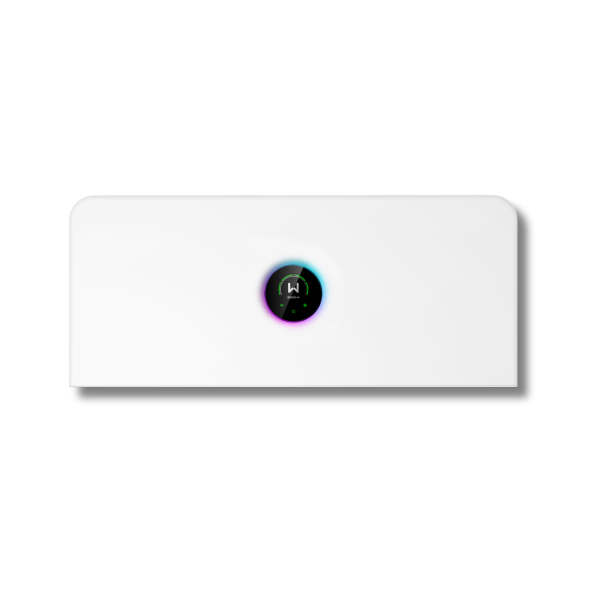
Inverter – GOODWE – GW12K-ETA-G20 – hybrid – HV
| Manufacturer | |
|---|---|
| Rated power | |
| Power supply | |
| Hybrid device | |
| Off-grid mode | |
| MPPT | |
| Warranty | |
| Net width | |
| Net depth | |
| Net height | |
| CAN | |
| CAN 2.0 | |
| RS485 | |
| SPD Type I | |
| SPD Type II | |
| SPD Type III | |
| SPD Type I+II | |
| AFCI | |
| MPPT voltage range | |
| Maximum input current per MPPT [A] | |
| Maximum input power [W] | |
| European efficiency | |
| Weight | 49,88 kg |
| CN | 85044086 |
Incl. VAT
Product details
| Manufacturer | |
|---|---|
| Rated power | |
| Power supply | |
| Hybrid device | |
| Off-grid mode | |
| MPPT | |
| Warranty | |
| Net width | |
| Net depth | |
| Net height | |
| CAN | |
| CAN 2.0 | |
| RS485 | |
| SPD Type I | |
| SPD Type II | |
| SPD Type III | |
| SPD Type I+II | |
| AFCI | |
| MPPT voltage range | |
| Maximum input current per MPPT [A] | |
| Maximum input power [W] | |
| European efficiency | |
| Weight | 49,88 kg |
| CN | 85044086 |
ESA
GoodWe’s ESA is a three-phase, high-voltage, all-in-one energy storage system combining an inverter, an LFP (LiFePO₄) battery and intelligent energy management. The series offers power ratings of 5–30 kW and storage capacity of up to 108 kWh, depending on the configuration. The pre-wired, modular design simplifies setup and speeds up commissioning.
Key benefits of ESA
- Energy storage expansion: a maximum of 12 battery modules can be connected to one inverter; in a single-column installation, the limit is 6 modules.
- Flexible battery connection: the ability to combine modules of different capacities as well as new and older batteries.
- Whole-home backup power: dual-port design and switching to backup power in less than 4 ms.
- Intelligent energy management: readiness to support an AI-based EMS system, enabling optimization based on dynamic tariffs.
- System protections: 6-layer safety protection, AI-based AFCI 3.0 protection and an IP66 protection rating. Battery modules feature integrated heating and aerosol fire suppression.
- Parallel operation: support for on-grid and off-grid operation. The maximum charging and discharging power of the entire system is limited by the inverter, not by the combined power of the battery modules.
Who is this a good choice for?
ESA is designed for households requiring energy storage and whole-home backup power, as well as businesses operating small commercial premises. Modular expansion allows storage capacity to be tailored, while support for an AI-based EMS enables energy management to be optimized according to dynamic tariffs.
| Parameter | GW5K-ETA-G20 | GW6K-ETA-G20 | GW8K-ETA-G20 | GW10K-ETA-G20 | GW12K-ETA-G20 | GW15K-ETA-G20 | GW20K-ETA-G20 | GW25K-ETA-G20 | GW29.999K-ETA-G20 | GW5.1-BAT-D-G20 | GW8.3-BAT-D-G20 | GW6.0-BAT-D-G20 | GW9.0-BAT-D-G20 |
|---|---|---|---|---|---|---|---|---|---|---|---|---|---|
| Battery input parameters | |||||||||||||
| Battery type | LFP (LiFePO₄) | ||||||||||||
| Rated voltage (V) | 220/380, 230/400, 3L/N/PE | ||||||||||||
| Voltage range (V) | 700 ~ 950 | ||||||||||||
| Start-up voltage (V) | 180 | ||||||||||||
| Number of battery inputs | 1 | ||||||||||||
| DC input data | |||||||||||||
| Maximum PV input power (kW) | 10 | 12 | 16 | 20 | 24 | 30 | 40 | 50 | 60 | ||||
| Maximum PV input voltage (V) | 1000 | ||||||||||||
| AC output data | |||||||||||||
| Inverter AC power (kW) | 5,0 | 6,0 | 8,0 | 10,0 | 12,0 | 15,0 | 20,0 | 25,0 | 30,0 | ||||
| Battery module parameters | |||||||||||||
| Battery type | LFP (LiFePO₄) | ||||||||||||
| Rated energy (kWh) | 5,12 | 8,32 | 6,0 | 9,0 | |||||||||
| Usable energy (kWh) | 5,0*¹ | 8,0*¹ | 5,8*² | 8,7*² | |||||||||
| Operating voltage range in a single-phase system (V) | 350 ~ 550 | ||||||||||||
| Operating voltage range in a three-phase system (V) | 700 ~ 950 | ||||||||||||
| Maximum system input current (A) | 12,0 | 19,0 | 7,1 | 10,7 | |||||||||
| Maximum system output current (A) | 13,2 | 21,0 | 7,9 | 11,8 | |||||||||
| Maximum system input power (kW) | 5,0 | 8,0 | 3,0 | 4,5 | |||||||||
| Maximum system output power (kW) | 5,0 | 8,0 | 3,0 | 4,5 | |||||||||
| Peak system output power for 10 s (kW) | 7,5 | 12 | 4,5 | 6,75 | |||||||||
| Scalability (units) | 12 | ||||||||||||
| Cycle life (cycles) | ≥8000 | ≥10000 | |||||||||||
| Operating conditions | |||||||||||||
| Charging temperature range (°C) | -18 ~ +55 | -20 ~ +55 | |||||||||||
| Discharge temperature range (°C) | -20 ~ +55 | ||||||||||||
| Relative humidity (%) | 4 ~ 100% | ||||||||||||
| Maximum working height (m) | 4000 | ||||||||||||
| Noise emission (dB) | ≤29 | ≤27 | |||||||||||
| IP protection rating | IP66 | ||||||||||||
| Maximum storage time at -20 ~ +35°C (months) | 12 | ||||||||||||
| Maximum storage time at a temperature of +35 ~ +45°C (months) | 6 | ||||||||||||
| Dimensions and weight | |||||||||||||
| Weight (kg) | 57,5 ± 1 | 79 ± 1 | 61 ± 1 | 77 ± 1 | |||||||||
| Dimensions (W × H × D) (mm) | 800 × 326 × 270 | ||||||||||||
| Communication, functions and installation | |||||||||||||
| Communication | CAN | CAN & 485 | |||||||||||
| Function configuration | Heating (integrated); Aerosol fire suppression (integrated) | ||||||||||||
| Mounting method | Stacked floor installation / wall mounting | Stacked installation on the floor / Grounded | |||||||||||
| Standards and certifications | |||||||||||||
| Safety | IEC62619, IEC60730, EN62477, IEC63056, IEC62040, CE, CEC, VDE2510 | IEC62619, IEC60730, EN62477, IEC63056, IEC62040, CE, CEC, Regulation 2023 / 1542, VDE2510-50 | |||||||||||
| Electromagnetic compatibility | CE, RCM | ||||||||||||
| Battery configuration: 5.12 kWh modules only | |||||||||||||
| Maximum energy storage charging and discharging power (kW) | 5 | 6 | 8 | 10 | 12 | 15 | 20 | 25 | 30 | ||||
| Number of modules (pcs.) | 2–12 | ||||||||||||
| Minimum nominal capacity (kWh) | 13,44 | ||||||||||||
| Minimum usable capacity (kWh) | 13,00 | ||||||||||||
| Maximum nominal capacity (kWh) | 96,64 | ||||||||||||
| Maximum usable capacity (kWh) | 93,00 | ||||||||||||
| Battery configuration: 8.32 kWh modules only | |||||||||||||
| Maximum energy storage charging and discharging power (kW) | 5 | 6 | 8 | 10 | 12 | 15 | 20 | 25 | 30 | ||||
| Number of modules (pcs.) | 2–12 | ||||||||||||
| Minimum nominal capacity (kWh) | 13,44 | ||||||||||||
| Minimum usable capacity (kWh) | 13,00 | ||||||||||||
| Maximum nominal capacity (kWh) | 96,64 | ||||||||||||
| Maximum usable capacity (kWh) | 93,00 | ||||||||||||
| Battery configuration: mixed 5.12 and 8.32 kWh modules | |||||||||||||
| Maximum energy storage charging and discharging power (kW) | 5 | 6 | 8 | 10 | 12 | 15 | 20 | 25 | 30 | ||||
| Number of modules (pcs.) | 2–12 | ||||||||||||
| Minimum nominal capacity (kWh) | 13,44 | ||||||||||||
| Minimum usable capacity (kWh) | 13,00 | ||||||||||||
| Maximum nominal capacity (kWh) | 96,64 | ||||||||||||
| Maximum usable capacity (kWh) | 93,00 | ||||||||||||
Usable module energy: for GW5.1/GW8.3 measured at 100% DOD, 0.2P and 25 ± 2°C; for GW6.0/GW9.0 at 100% DOD, 0.4P and 25 ± 2°C, at the beginning of battery life. Module power is subject to derating depending on temperature and SOC. In a single-column installation, a maximum of 6 units in parallel. Cycle life based on laboratory tests.
Official distribution