


Inverter – GOODWE – GW8K-ETA-G20 – hybrid – HV
Product details
| Manufacturer | |
|---|---|
| Weight | 30,84 kg |
| CN | 85044086 |
ESA
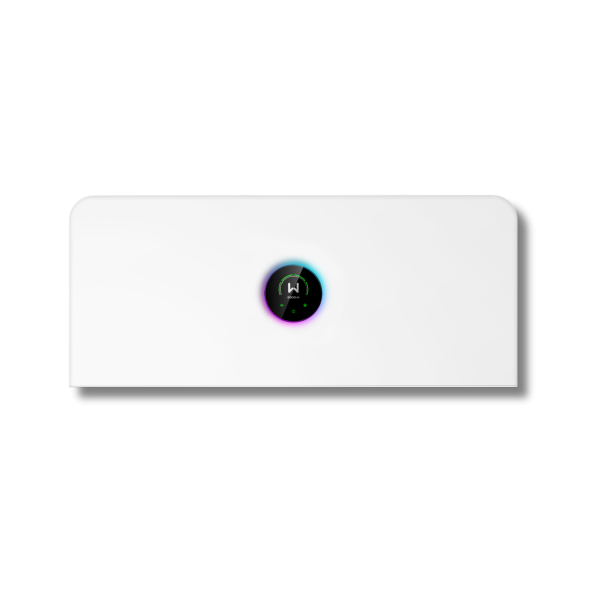
ESA by GoodWe is a three-phase all-in-one energy storage system combining an inverter, an LFP (LiFePO₄) battery and intelligent energy management. The series covers a power range of 5–30 kW and allows storage capacity to be expanded to 108 kWh, depending on the configuration. The pre-wired, modular design simplifies setup and speeds up commissioning.
Key benefits of ESA
- Energy storage expansion: up to 12 battery modules can be connected to one inverter; in a single-column installation, the limit is 6 modules.
- Flexible battery connection: support for modules of different capacities and combining old and new batteries.
- Whole-home backup power: dual-port design and switching to backup power in less than 4 ms.
- Energy management: readiness to support an AI-based EMS system, enabling optimization based on dynamic tariffs.
- Protection: six-layer safety protection, AI-based AFCI 3.0 protection and an IP66 protection rating.
- On-grid and off-grid operation: support for parallel operation in both grid-connected and off-grid modes.
Who is this a good choice for?
ESA is a solution for households that need energy storage and backup power for the entire home. The series is also designed for users of small commercial facilities who want to expand storage capacity and manage energy with dynamic tariffs in mind.
| Parameter | GW5K-ETA-G20 | GW6K-ETA-G20 | GW8K-ETA-G20 | GW10K-ETA-G20 | GW12K-ETA-G20 | GW15K-ETA-G20 | GW20K-ETA-G20 | GW25K-ETA-G20 | GW29.999K-ETA-G20 | GW5.1-BAT-D-G20 | GW8.3-BAT-D-G20 | GW6.0-BAT-D-G20 | GW9.0-BAT-D-G20 |
|---|---|---|---|---|---|---|---|---|---|---|---|---|---|
| Battery input data — power module | |||||||||||||
| Battery type | LFP (LiFePO₄) | LFP (LiFePO₄) | |||||||||||
| Rated voltage (V) | 750 | ||||||||||||
| Voltage range (V) | 700 ~ 950 | ||||||||||||
| Start-up voltage (V) | 720 | ||||||||||||
| Number of battery inputs | 1 | ||||||||||||
| DC input data — PV string | |||||||||||||
| Maximum input power (kW) | 10 | 12 | 16 | 20 | 24 | 30 | 40 | 50 | 60 | ||||
| Maximum input voltage (V) | 1000 | ||||||||||||
| Inverter and energy storage power | |||||||||||||
| Inverter AC power (kW) | 5,0 | 6,0 | 8,0 | 10,0 | 12,0 | 15,0 | 20,0 | 25,0 | 29,999 | ||||
| Maximum energy storage charging and discharging power (kW) | 5 | 6 | 8 | 10 | 12 | 15 | 20 | 25 | 30 | ||||
| Battery configuration — 5.12 kWh modules only | |||||||||||||
| Number of modules (pcs.) | 2–12 | ||||||||||||
| Minimum nominal capacity (kWh) | 13,44 | ||||||||||||
| Minimum usable capacity (kWh) | 13,00 | ||||||||||||
| Maximum nominal capacity (kWh) | 96,64 | ||||||||||||
| Maximum usable capacity (kWh) | 93,00 | ||||||||||||
| Battery configuration — 8.32 kWh modules only | |||||||||||||
| Number of modules (pcs.) | 2–12 | ||||||||||||
| Minimum nominal capacity (kWh) | 13,44 | ||||||||||||
| Minimum usable capacity (kWh) | 13,00 | ||||||||||||
| Maximum nominal capacity (kWh) | 96,64 | ||||||||||||
| Maximum usable capacity (kWh) | 93,00 | ||||||||||||
| Battery configuration — mixed 5.12 + 8.32 kWh modules | |||||||||||||
| Number of modules (pcs.) | 2–12 | ||||||||||||
| Minimum nominal capacity (kWh) | 13,44 | ||||||||||||
| Minimum usable capacity (kWh) | 13,00 | ||||||||||||
| Maximum nominal capacity (kWh) | 96,64 | ||||||||||||
| Maximum usable capacity (kWh) | 93,00 | ||||||||||||
| Electrical data — battery module | |||||||||||||
| Battery type | LFP (LiFePO₄) | ||||||||||||
| Rated energy (kWh) | 5,12 | 8,32 | 6,0 | 9,0 | |||||||||
| Usable energy (kWh) | 5,0 | 8,0 | 5,8 | 8,7 | |||||||||
| Operating voltage range in a single-phase system (V) | 350 ~ 550 | ||||||||||||
| Operating voltage range in a three-phase system (V) | 700 ~ 950 | ||||||||||||
| Maximum system input current (A) | 12,0 | 19,0 | 7,1 | 10,7 | |||||||||
| Maximum system output current (A) | 13,2 | 21,0 | 7,9 | 11,8 | |||||||||
| Maximum system input power (kW) | 5,0 | 8,0 | 3,0 | 4,5 | |||||||||
| Maximum system output power (kW) | 5,0 | 8,0 | 3,0 | 4,5 | |||||||||
| Peak system output power for 10 s (kW) | 7.5 @10s | 12 @10s | 4.5 @10s | 6.75 @10s | |||||||||
| Cycle life (cycles) | ≥8000 | ≥10000 | |||||||||||
| Operating conditions — battery module | |||||||||||||
| Charging temperature range (°C) | -18 ~ +55 | -20 ~ +55 | |||||||||||
| Discharge temperature range (°C) | -20 ~ +55 | ||||||||||||
| Relative humidity (%) | 4 ~ 100% | ||||||||||||
| Maximum working height (m) | 4000 | ||||||||||||
| Noise emission (dB) | ≤29 | ≤27 | |||||||||||
| IP protection rating | IP66 | ||||||||||||
| Maximum storage time at -20 ~ +35°C (months) | 12 | ||||||||||||
| Maximum storage time at a temperature of +35 ~ +45°C (months) | 6 | ||||||||||||
| Dimensions and weight — battery module | |||||||||||||
| Weight (kg) | 57,5 ± 1 | 79 ± 1 | 61 ± 1 | 77 ± 1 | |||||||||
| Dimensions (W × H × D) (mm) | 800 × 326 × 270 | ||||||||||||
| Communication, functions and installation — battery module | |||||||||||||
| Communication | CAN | CAN & 485 | |||||||||||
| Function configuration | Heating (integrated); Aerosol fire suppression (integrated) | ||||||||||||
| Maximum number of modules (pcs.) | 12 | ||||||||||||
| Mounting method | Stacked floor installation / wall mounting | Stacked installation on the floor / Grounded | |||||||||||
| Standards and certifications — battery module | |||||||||||||
| Safety | IEC62619, IEC60730, EN62477, IEC63056, IEC62040, CE, CEC, VDE2510 | IEC62619, IEC60730, EN62477, IEC63056, IEC62040, CE, CEC, Regulation 2023 / 1542, VDE2510-50 | |||||||||||
| Electromagnetic compatibility | CE, RCM | ||||||||||||
Empty fields refer to parameters not specified for a given model or a different module type. Usable energy: measured at 100% DOD and 25 ± 2°C, with charging/discharging at 0.2P for 5.12/8.32 kWh modules and 0.4P for 6.0/9.0 kWh modules. Battery module power ratings are subject to derating depending on temperature and SOC. In a single-column installation, a maximum of 6 modules can be connected in parallel. Cycle life is based on laboratory tests.
Official distribution